
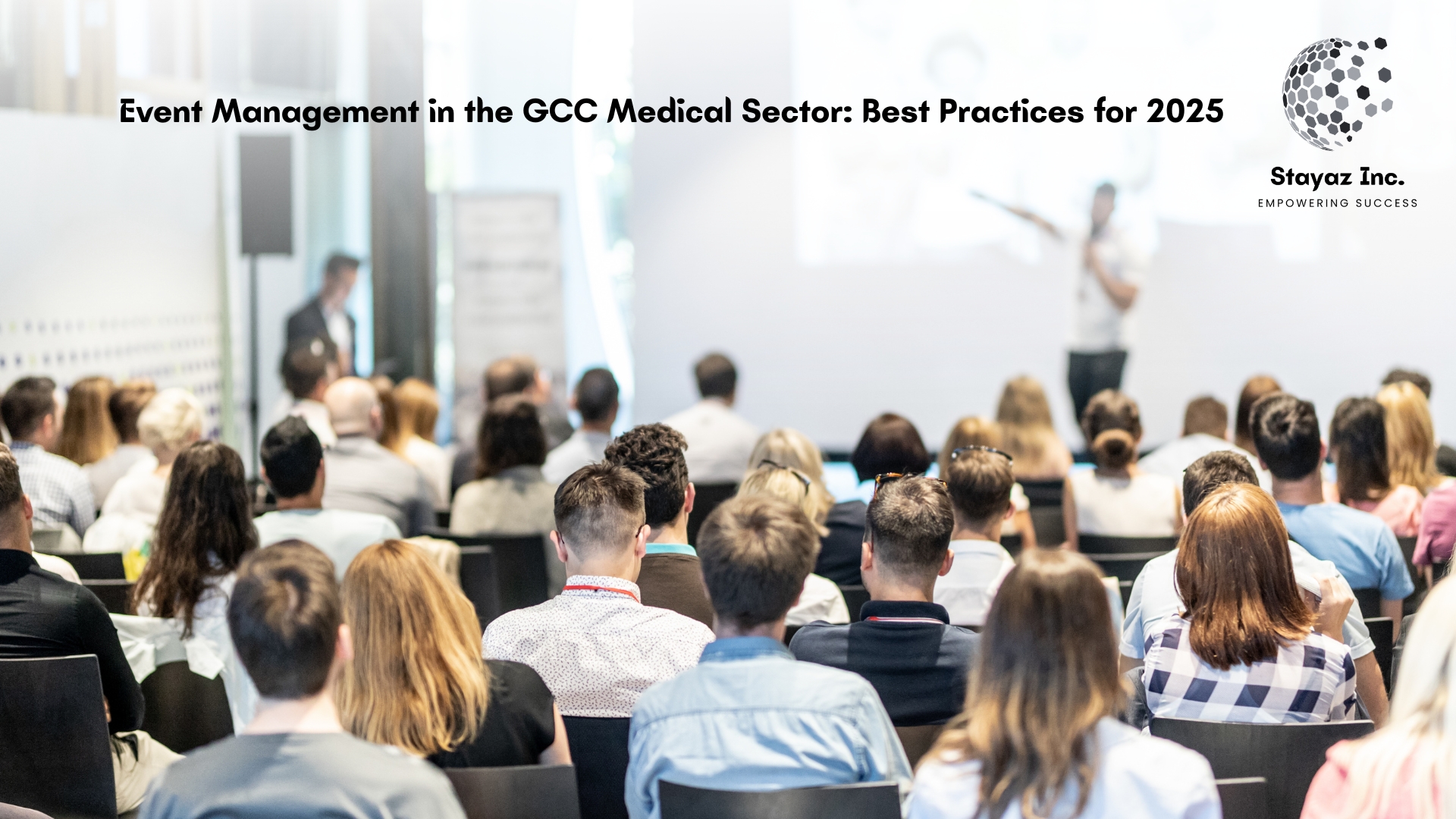
The GCC (Gulf Cooperation Council) has emerged as a global hub for healthcare innovation, medical education, and international collaboration. With countries like the UAE, Saudi Arabia, and Qatar investing heavily in both medical infrastructure and knowledge exchange, the importance of professionally managed medical events is higher than ever.
From major conferences to surgical workshops, these events are critical for knowledge transfer, networking, and continuing education. But as expectations rise, so does the pressure to deliver flawless, engaging, and high-impact experiences. So what are the best practices in 2025 for delivering medical events that stand out in the GCC?
1. Understand the Landscape: What Makes GCC Medical Events Unique?
- High investment, high expectations: Government institutions and private sponsors expect world-class delivery.
- Multinational audience: Events often attract attendees from Europe, Asia, and across MENA.
- Cultural protocols: Gender-specific seating, halal catering, and prayer breaks are essential.
- Government approvals: Many events require licenses, health authority CPD points, and ministry-level collaboration.
2. Planning with Purpose: From CME Credits to ROI
- Purpose first: Is the goal education, networking, brand exposure, or recruitment?
- CME/CPD accreditation: Work with local health authorities (e.g., DHA, SCFHS) to secure certification.
- ROI tracking: For sponsors and exhibitors, create systems to measure leads, feedback, and conversions.
3. Choosing the Right Format: Physical, Virtual, or Hybrid?
- In-person events remain powerful in the GCC, especially in Dubai, Riyadh, and Doha.
- Virtual options work well for follow-ups, international speakers, or budget-conscious delegates.
- Hybrid formats allow for broader reach, but demand more technical support.
4. Speaker & Faculty Management: The Backbone of Credibility
- Choose wisely: Medical professionals prioritize faculty credentials and reputations.
- Logistics support: Handle visa applications, flights, hotel bookings, and honorariums early.
- Speaker kits: Provide branded templates, rehearsal sessions, and content deadlines.
5. Marketing That Reaches the Right Audience
- Medical channels: Use LinkedIn, targeted email campaigns, and industry databases.
- Bilingual approach: Always include Arabic for local engagement.
- Professional tone: Avoid generic advertising—use academic and evidence-based language.
6. Collaborate with the Right Partners
- Local partners: Having a licensed local partner (especially in Saudi Arabia) is often mandatory.
- Event tech companies: Choose providers that specialize in medical or scientific events.
- Medical associations: Co-branding with respected societies builds trust and attendance.
7. Onsite Execution: No Room for Mistakes
- Rehearsals and run-throughs: Never leave AV checks for the day of the event.
- Dedicated zones: Separate registration, exhibition, coffee break, and breakout areas.
- Medical logistics: Live surgeries or demonstrations need special permissions and equipment setup.
8. Post-Event Follow-up: Where the Real Value Lies
- Certificates: Automate distribution of CME/CPD certificates.
- Reports: Provide sponsors and faculty with performance data, attendance stats, and media coverage.
- Content reuse: Turn recordings into educational material for future engagement.
9. Trends to Watch in 2025
- AI-enhanced registration: Facial recognition and voice bots to streamline entry.
- Sustainable events: Paperless check-ins, reusable materials, eco-friendly catering.
- International expansion: GCC-based brands organizing events in Iraq, Jordan, and Africa.
10. Real-World Example: Stayaz and Blue Ocean
Stayaz has successfully co-managed medical events in collaboration with Blue Ocean across the GCC and Iraq. Together, we have:
- Delivered medical conferences/workshops
- Managed faculty travel and logistical arrangements
- Handled event logistics from venue to catering, to branding, photography,
- Received high satisfaction scores from doctors and medical associations alike
Conclusion
Medical events in the GCC are evolving fast—and expectations are rising. Whether you’re planning a small workshop or a 2,000-person medical congress, the key is preparation, cultural awareness, and the right execution partners.
At Stayaz, we specialize in handling the complexities of GCC medical events—so your brand, your faculty, and your attendees walk away with value. contact us: info@stayaz.ca

 EN
EN 
No comment